
Preparing for Surgery Abroad in Vietnam: A Complete Checklist
Planning surgery in Vietnam? Use this checklist to prepare medical records, travel documents, hospital arrangements and recovery support.

Planning surgery abroad involves more than booking flights and choosing a hospital. International patients also need to prepare medical records, understand their treatment plan, organize travel arrangements, and consider the support they may need during recovery. Following a preparing for surgery abroad checklist vietnam can help you manage these details before leaving home.
Whether you are considering orthopedic, cosmetic, or another type of surgery in Vietnam, careful preparation can help you ask the right questions, coordinate appointments, and make more informed decisions about your care.
Check Your Hospital, Surgeon and Treatment Plan
Before confirming your trip, research the hospital and specialist who will be responsible for your treatment. Look beyond advertised prices and promotional claims to understand the facility’s capabilities, the proposed procedure, and the care available after surgery.
- Review hospital credentials: Check the facility’s licensing, relevant certifications, and patient safety procedures. If a hospital advertises international accreditation, verify its current status with the accrediting organization.
- Ask about your surgeon’s experience: Discuss the specialist’s qualifications, experience with your procedure, potential risks, available alternatives, and expected recovery process.
- Arrange a pre-operative consultation: Ask whether an online consultation is possible before travelling. Share relevant medical history and find out which examinations or tests may be required.
- Understand the treatment plan: Confirm the proposed procedure, estimated costs, what is included in the package, and whether additional expenses may arise.
- Clarify follow-up arrangements: Ask how many post-operative appointments may be needed, how long you should remain near the hospital, and whom to contact if concerns develop after discharge.
Reviewing these details can help you compare healthcare options and prepare more effectively for treatment. You can also read our guide on what JCI accreditation means for patients seeking care abroad to learn more about international healthcare accreditation. For the specific status of a hospital, consult the accrediting organization’s current records.
Prepare Medical Records, Travel Documents and Essentials

Having your documents ready before departure helps the healthcare team review your medical history and identify information needed for treatment. Requirements vary according to the procedure, your health, and the hospital’s protocols, so confirm the exact requirements with your care team.
- Collect relevant medical records: Prepare consultation notes, laboratory results, imaging reports, previous treatment records, and discharge summaries where applicable. Ask whether the hospital needs original imaging files as well as written reports.
- Prepare a medication and allergy list: Record the names and doses of your current medicines, supplements, and any known allergies. Discuss possible medication adjustments with your surgical team. Never stop or change prescribed medication without professional guidance.
- Check travel documents: Review passport validity, applicable entry requirements, and the documents needed for your planned stay. Make sure your travel dates allow enough time for the treatment and recovery schedule recommended by your healthcare team.
- Review insurance coverage: Confirm whether your policy covers planned surgery abroad, complications, additional accommodation, or changes to your return journey. Do not assume that elective procedures are automatically covered.
- Pack practical essentials: Bring comfortable clothing, suitable footwear, personal hygiene products, chargers, and any items specifically recommended by your care team.
Keep digital copies of important records in a secure location and make sure you can access them during appointments. A well-organized set of documents can make communication with healthcare professionals more efficient.
Arrange Local Support and Plan Your Recovery
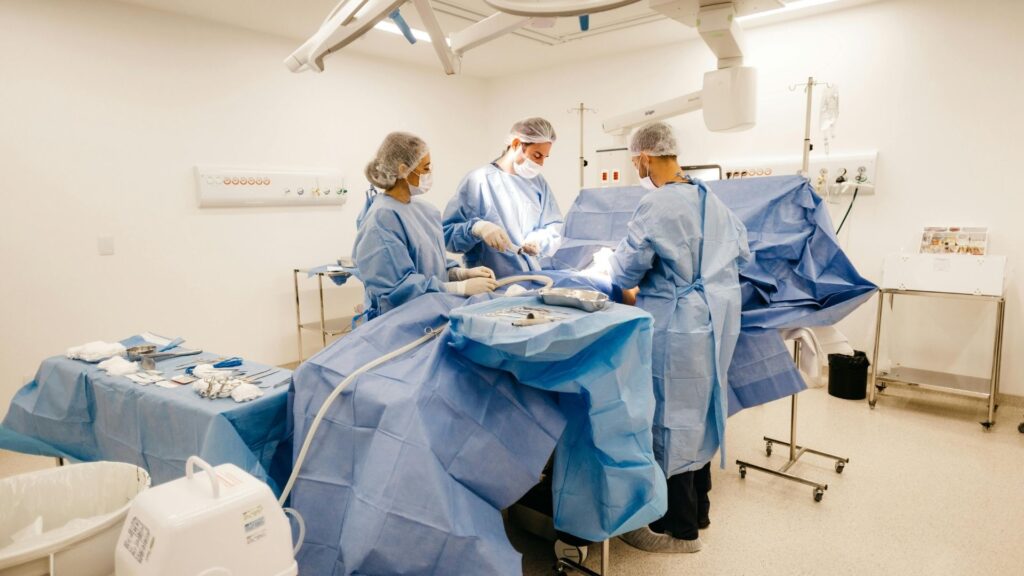
Recovery planning is an important part of preparing for surgery overseas. Before travelling, consider where you will stay, how you will attend follow-up appointments, and whether you will need assistance with everyday activities after the procedure.
- Choose suitable accommodation: Consider the distance from the hospital, elevator access, bathroom safety, meal availability, and any mobility requirements you may have during recovery.
- Plan transportation: Ask your healthcare team what type of transport is appropriate after discharge. Depending on your condition and procedure, you may need a pre-arranged transfer or assistance travelling to appointments.
- Consider language support: If you are not comfortable discussing medical issues in Vietnamese, ask the hospital whether interpretation is available. A qualified medical interpreter may help you understand instructions and communicate questions during consultations.
- Arrange a support person if needed: Depending on the procedure, you may need someone to accompany you, help with daily activities, or remain with you after discharge. Ask your surgical team what level of support is appropriate.
- Allow time for follow-up: Avoid planning your return journey solely around the expected discharge date. Your treating team should advise how long you may need to stay nearby and when travel may be appropriate.
A practical preparing for surgery abroad checklist vietnam should cover both medical appointments and everyday recovery needs. Planning these arrangements in advance can reduce avoidable stress while helping you focus on following your care team’s instructions.
Learn more about essential nutrition tips for recovery after surgery in Vietnam.
How ZensiaCare Can Support Your Surgical Journey
Preparing for treatment in another country can involve coordinating appointments, arranging local transportation, finding suitable accommodation, and managing communication across language barriers. For international patients, keeping these practical details organized can make the process easier to navigate.
Depending on your needs and the services available, ZensiaCare can help coordinate practical arrangements for your stay in Vietnam, including:
- Appointment coordination: Assistance with scheduling consultations and organizing appointments around the treatment timeline provided by your healthcare team.
- Local arrangements: Support with planning transportation and finding accommodation that suits your practical needs.
- Language assistance: Help exploring interpretation options for consultations and hospital visits.
- Travel coordination: Assistance with adjusting practical arrangements if your clinical team recommends additional recovery time.
ZensiaCare’s role is to support coordination and logistics. It does not replace your surgeon or other qualified healthcare professionals. Diagnoses, treatment decisions, medication advice, and assessments of your fitness to travel remain the responsibility of your treating healthcare team.
If you are considering surgery in Vietnam, contact ZensiaCare to ask about available coordination services and practical support during your stay.
Disclaimer: This article provides general educational and travel-planning information. It is not a substitute for individualized medical, legal, or travel advice. Discuss treatment decisions, medication changes, recovery timelines, and fitness to travel with qualified professionals.
Written by Dr. Quy Nguyen
Health information on ZensiaCare is for reference only and does not replace examination, diagnosis, or treatment by a doctor.