
What Does JCI Accreditation Mean for Patients Seeking Care Abroad?
What is JCI Accreditation?
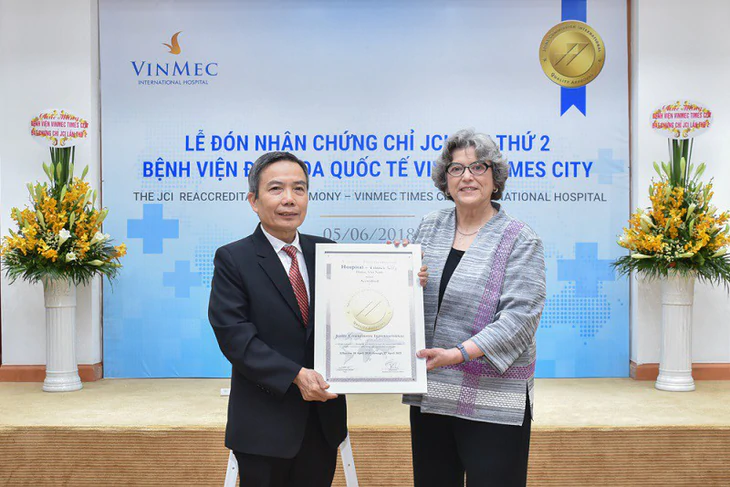
When exploring healthcare options abroad, you will likely encounter the term JCI accreditation. But what does it actually stand for, and why is it considered the ultimate benchmark in global healthcare?
JCI stands for Joint Commission International, a division of the US-based Joint Commission – the world’s oldest and largest healthcare accrediting body. Founded to establish rigorous quality and patient safety criteria globally, JCI acts as an independent, non-profit organization that evaluates healthcare institutions, including hospitals, clinics, and academic medical centers.
Earning this designation is often referred to as achieving the “Gold Standard” in global healthcare. To earn and maintain this accreditation, a medical facility must undergo a comprehensive, on-site evaluation by an international team of expert healthcare surveyors. These specialists carefully examine every aspect of the hospital’s operations, ensuring that the institution adheres to the required performance standards.
Unlike basic local licensing, JCI accreditation focuses intensely on two critical pillars:
- Patient Safety: Minimizing the risk of medical errors, infections, and adverse events.
- Quality Improvement: Continuously enhancing clinical outcomes, operational efficiency, and patient satisfaction.
For international medical travelers, seeing a hospital display the JCI seal means that the facility operates under the same high-level safety, ethical, and clinical frameworks as top-tier hospitals in the United States and Europe. It serves as an immediate trust signal, bridging the gap between healthcare systems across borders and giving patients the confidence they need when seeking medical care far from home.
How does JCI Accreditation protect patients?
The stakes are generally high for international patients traveling far from home. JCI accreditation acts as a safety net by enforcing strict, measurable standards across every department of a healthcare facility. Rather than focusing solely on medical outcomes, JCI looks at the entire ecosystem of care to minimize risks and protect patients through several key pillars:
1. Rigorous Prevention of Medical Errors and Infections
One of the greatest fears for patients seeking care abroad is hospital-acquired infections (HAIs) or surgical mistakes. JCI standards mandate strict protocols for:
- Hygiene and Sterilization: Rigorous hand hygiene compliance, sterile processing of surgical instruments, and advanced air-filtration systems in operating rooms.
- Double-Check Systems: Clear verification processes to eliminate wrong-site surgery, wrong-patient procedures, and medication administration errors.
2. Qualified and Credentialed Medical Staff
When you visit a JCI-accredited hospital, you aren’t just trusting the hospital’s reputation – you are trusting verified expertise. JCI requires hospitals to systematically verify the licenses, training, credentials, and ongoing performance evaluations of all doctors, nurses, and allied health professionals. This ensures that the clinical team possesses internationally competitive competence.
3. Protection of Patient Rights and Informed Consent
Language and cultural barriers can make international patients vulnerable to misunderstanding their treatments. JCI ensures that patient rights are legally and ethically prioritized by enforcing:
- Transparent Communication: Patients must be fully informed about their diagnosis, treatment plans, potential risks, and alternative options in a language they understand.
- Privacy and Confidentiality: Strict adherence to data protection laws safeguarding private medical records and personal information.
- Informed Consent: Patients retain complete autonomy over their medical decisions without coercion.
4. Emergency Preparedness and Facility Safety
A safe hospital must be structurally sound and prepared for the unexpected. JCI evaluates physical infrastructure to ensure that facilities maintain:
- Advanced fire safety systems and evacuation routes.
- Reliable backup power generators and water supplies to ensure uninterrupted critical care during power outages.
- Well-rehearsed emergency response teams capable of handling sudden medical crises or external disasters.
By upholding these uncompromising standards, JCI bridges the divide between international healthcare networks, guaranteeing that overseas patients receive a level of protection, safety, and ethical care that matches the premier medical institutions worldwide.
What Should International Patients Check Besides JCI Accreditation?

While JCI accreditation can be an important indicator of healthcare quality and patient safety, it should not be the only factor international patients consider when choosing a healthcare provider abroad. Every patient has different medical needs, so it is important to look beyond accreditation and evaluate the provider as a whole.
Doctor’s Qualifications and Experience
Start by researching the qualifications, certifications, and clinical experience of the doctor who will perform your treatment. If you are considering a specific procedure, such as dental implants or cosmetic surgery, look for a specialist with relevant experience and a proven track record in that particular treatment.
Treatment Options and Clinical Expertise
Not every accredited facility specializes in every type of treatment. Patients should make sure the provider has the appropriate equipment, technology, and clinical expertise for the procedure they need. Asking about the proposed treatment plan and available alternatives can also help you make a more informed decision.
Infection Control and Patient Safety
Infection prevention is particularly important when seeking treatment abroad. Ask about sterilization procedures, infection-control protocols, and how the facility maintains a safe clinical environment. These factors can provide additional insight into the provider’s commitment to patient safety.
Aftercare and Follow-Up
Your care should not end when you leave the clinic. Before traveling, find out what follow-up services are available after treatment and how the provider handles potential complications. This is especially important for patients who will return home shortly after their procedure.
Total Treatment Costs
Finally, look beyond the advertised treatment price. Consider what is included in the package and whether there may be additional costs for consultations, medication, follow-up appointments, transportation, accommodation, or further treatment. A clear and detailed cost estimate can help you avoid unexpected expenses.
Written by Dr. Quy Nguyen