
Diet After Surgery in Vietnam: Essential Nutrition Tips for Recovery
Healthy Eating Guidelines After Surgery
Prioritize Protein

Protein is essential for repairing damaged tissues, supporting wound healing, and maintaining muscle strength during recovery. Following surgery, the body may require additional protein to support the healing process, particularly after major procedures or extended hospital stays.
Lean meat, fish, eggs, dairy products, tofu, and legumes are valuable protein sources. In Vietnam, patients can find suitable options such as steamed fish, chicken soup, boiled eggs, and tofu dishes. Protein needs depend on the type of surgery, nutritional status, and individual health conditions, so dietary adjustments should follow professional recommendations.
Include Vitamin and Mineral
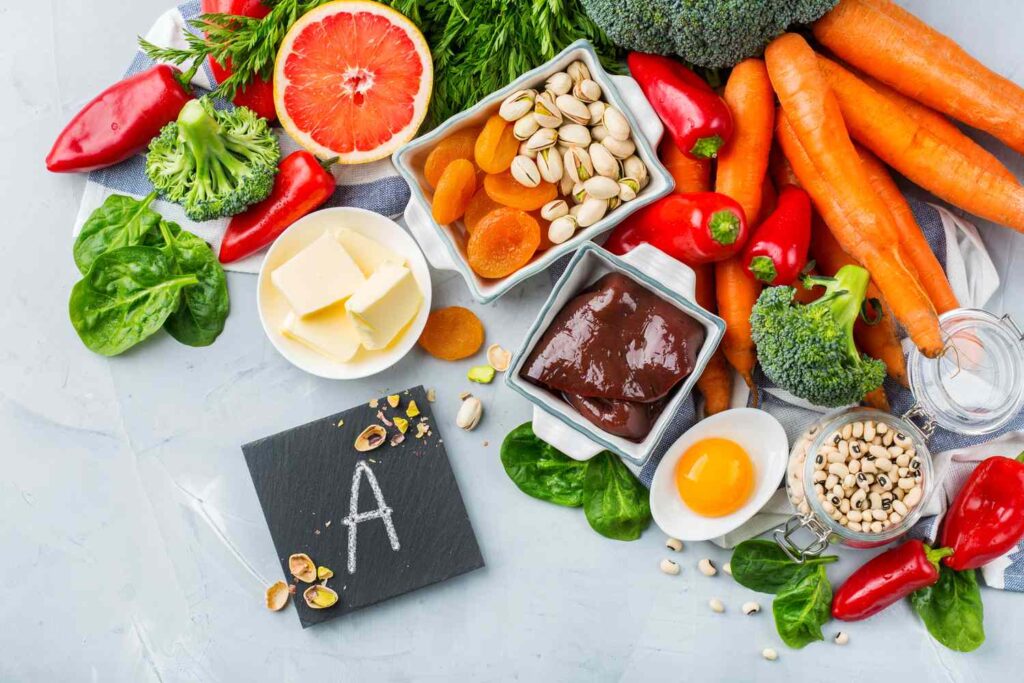
Vitamins and minerals are essential for various biological processes that support post-surgery recovery. Vitamin C promotes collagen formation and wound healing, while vitamin A helps maintain normal immune function and tissue health. Zinc aids tissue repair, whereas iron is necessary for hemoglobin production and oxygen transport throughout the body.
A varied diet containing leafy greens, carrots, oranges, guava, lean meats, and other nutrient-dense foods can help meet these nutritional needs. Rather than relying on supplements without medical guidance, patients should prioritize balanced meals and seek professional advice when additional supplementation is necessary.
Stay Properly Hydrated
Adequate hydration supports circulation, nutrient transport, temperature regulation, and normal bodily functions during recovery. Fluid intake may also help prevent dehydration, particularly when appetite is reduced or patients experience temporary digestive discomfort after surgery.
Water is generally the preferred choice, while clear soups and other suitable fluids can contribute to daily hydration. Patients recovering in Vietnam may also choose light, broth-based dishes as part of their fluid intake. However, those with kidney, heart, or other conditions requiring fluid restrictions should follow their healthcare provider’s specific instructions.
Choose Easily Digestible Meals
Digestive discomfort, nausea, and a temporary loss of appetite can occur following anesthesia or certain surgical procedures. During the initial recovery period, soft and easily digestible meals may be more comfortable than large portions of heavy food, depending on the patient’s condition.Common Vietnamese dishes such as cháo (rice porridge), clear soups, steamed fish, and soft rice can be practical choices when permitted. Some patients, particularly those recovering from gastrointestinal surgery, may need to progress gradually from liquids to soft foods before returning to their usual diet. The appropriate timing and food texture should be determined by the treating medical team.
Foods and Drinks to Avoid After Surgery
Alcoholic Beverages
Alcohol may contribute to dehydration and interfere with the healing process. It can also interact with painkillers, sedatives, and certain antibiotics, increasing the risk of side effects. Patients should avoid alcohol while taking medications that interact with it and follow medical advice on when drinking can safely resume.
Fried and High – Fat Foods

Fried and greasy foods may worsen nausea, bloating, or indigestion, particularly after gastrointestinal surgery. Large portions of high-fat meals can also be difficult to tolerate during early recovery. Steamed, boiled, or lightly baked dishes are often more suitable. In Vietnam, options such as steamed fish, chicken soup, and cooked vegetables provide nutrients without excessive added fat.
Highly Processed and Sugary Foods
Processed snacks, sugary drinks, and foods with limited nutritional value may reduce the overall quality of a post-surgery diet. Excessive consumption can make it harder to meet essential nutritional requirements. Prioritize whole foods, lean protein, and nutrient-rich meals. Patients with diabetes should pay particular attention to blood sugar management, as elevated glucose levels can impair wound healing.
Foods Restricted by Your Healthcare Provider
Some procedures require specific dietary adjustments. Following gastrointestinal surgery, patients may need temporary restrictions on food texture or fiber intake, while bariatric surgery typically involves a gradual transition from liquids to solid foods. Always follow your healthcare provider’s instructions regarding meal timing, portion sizes, and permitted foods. These personalized recommendations take priority over general post-surgery dietary guidelines.
How ZensiaCare Supports Post-Surgery Recovery in Vietnam
Recovering after surgery in a foreign country involves more than following a treatment plan. International patients may also need support with follow-up appointments, communication with healthcare providers, rehabilitation arrangements, and practical guidance during recovery.
ZensiaCare provides personalized support throughout the post-surgery recovery journey, connecting international patients with suitable healthcare services in Vietnam. Our dedicated Case Managers facilitate communication with medical providers, arrange follow-up appointments, coordinate rehabilitation services when necessary, and assist patients with practical recovery-related needs.For patients undergoing procedures such as Cosmetic Surgery, Dental Care, Orthopedic Treatment, IVF & Fertility, or other specialist services, ZensiaCare can help organize the next stages of the healthcare journey. Dietary recommendations, medication instructions, and clinical decisions remain the responsibility of licensed healthcare professionals.
A suitable diet after surgery in Vietnam should always reflect the type of procedure, individual health needs, and medical advice provided by the treating team. ZensiaCare focuses on making the practical side of recovery more organized, helping international patients navigate each step with greater confidence.
ZensiaCare – Your Trusted Medical Concierge in Vietnam.