
When Is It Safe to Fly Home After Surgery in Vietnam?
Vietnam is rapidly rising on the global medical tourism map, attracting thousands of international patients each year thanks to world-class medical facilities, highly skilled doctors, and significantly lower costs – particularly in fields like dentistry, cosmetic surgery, and orthopedics.
Once a surgery is successfully completed, the urge to rush back home is completely natural. However, booking a long international flight before your body has properly healed can pose serious health risks. So, when is it actually safe to fly? This guide breaks down safe recovery timelines by procedure type, explains the invisible risks of flying too soon, and provides essential tips to ensure a smooth, risk-free journey home from Vietnam.
Why Traveling Too Soon After Surgery is Risky
The temptation to board a flight and go back home is strong, but boarding too soon can jeopardize your entire surgical outcome. The unique environment of a commercial aircraft introduces several physiological stressors that a healing body may not be ready to handle.
Limited In-Flight Medical Support
At a high altitude, professional medical care is generally out of reach. Commercial flight attendants are trained in basic first aid, not post-surgical emergency care, so they cannot fully help when you experience a sudden complication, severe pain spike, or unexpected wound leakage mid-flight. Being hours away from the nearest capable hospital can turn a manageable issue into a critical medical emergency.
Cabin Pressure and Gas Expansion
While flying, aircraft cabins are pressurized to simulate an elevation of 6,000 to 8,000 feet. This lower atmospheric pressure causes trapped gases inside the body to expand by roughly 25% to 30%. For patients recovering from procedures involving the eyes (such as vitrectomy with gas bubbles), abdomen, or chest, this expansion can create dangerous internal pressure, tearing sutures, causing severe pain, or disrupting the healing process.
The DVT Risk (Deep Vein Thrombosis)
Combining recent surgery with a flight – such as the 10-to-12-hour journey from Vietnam back to Europe or North America – dramatically increases your risk of developing Deep Vein Thrombosis (DVT). Surgery naturally triggers the body’s clotting mechanisms, and prolonged immobility in a cramped airplane seat slows blood circulation, creating a breeding ground for dangerous blood clots that can travel to the lungs.
General Recovery Timelines: When Can You Fly?

Determining the right time to fly home largely depends on the complexity of your procedure and how well your body is healing. Below is a general recovery timeline to help international patients plan their travel safely after receiving medical care in Vietnam; however, you should always ask your doctor for personalized advice before making any travel arrangements.
| Procedure Category | Specific Treatments | Recommended Wait Time Before Flying |
| Minor Procedures | Dentistry, minor skin surgeries, simple eye treatments | 3 – 5 days |
| Cosmetic Surgery | Rhinoplasty, blepharoplasty (eyelid surgery) | 7 – 14 days (until initial swelling subsides and basic stitches are removed) |
| Breast augmentation, liposuction, tummy tuck | 10 – 14+ days (to avoid abdominal pressure and ensure drains are safely removed) | |
| Major & Orthopedic Surgeries | Laparoscopic (keyhole) abdominal surgery | 7 – 14 days |
| Joint replacement (hip/knee) or complex bone surgery | 14 – 21+ days (strictly subject to your surgeon’s clearance) |
What to Prepare before Flying Home
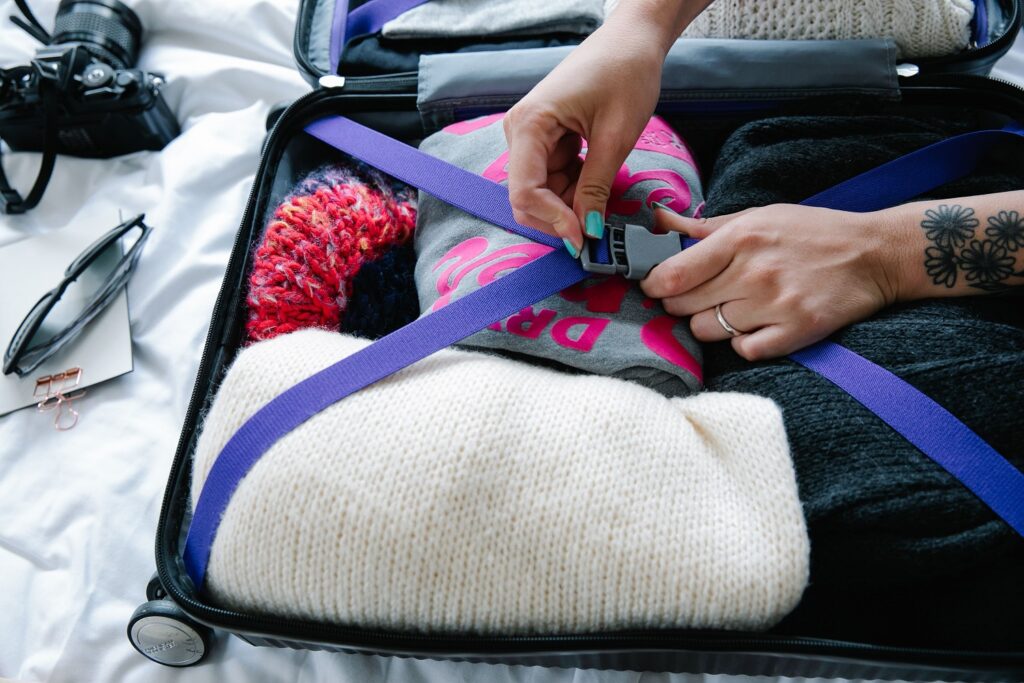
Once your treatment is complete, preparing for your journey home is an important part of your recovery. Your preparation should include the following:
1. Get Medical Clearance
Before flying home, attend your scheduled follow-up appointment and ask your doctor or dentist whether it is safe for you to travel. They can assess your healing, check for signs of infection or complications, and advise you on any precautions you should take during the flight.
2. Prepare Your Medications
Make sure you have enough prescribed medication to cover your journey and the recommended recovery period. Keep your medication in your carry-on luggage rather than your checked baggage, and follow your healthcare provider’s instructions carefully.
3. Keep Your Medical Documents
International patients should keep important treatment information with them, including medical records, prescriptions, treatment details, and post-operative instructions. These documents can be useful if you need medical assistance after returning home.
4. Plan Your Journey Carefully
If you are taking a long-haul flight, consider choosing a flight schedule that allows you to rest before and after traveling. If necessary, arrange airport assistance, especially if you are still experiencing discomfort, swelling, or limited mobility.
5. Follow Your Post-Treatment Instructions
Continue following your doctor’s or dentist’s instructions before and during your journey. Depending on your procedure, you may need to avoid certain foods, strenuous activities, alcohol, or other factors that could interfere with your recovery.
6. Know When to Delay Your Flight
If you experience heavy bleeding, severe or worsening pain, significant swelling, fever, difficulty breathing, or other unusual symptoms, contact your medical team before flying. Your health and recovery should always take priority over your original travel schedule.
For international patients, allowing enough time for recovery and a follow-up appointment in Vietnam can make the journey home more comfortable and safer.
Knowing when it is safe to fly home after surgery in Vietnam is an important part of planning your treatment abroad. There is no single timeframe that applies to everyone, as the appropriate time to travel depends on the type of procedure, your recovery, the length of your flight, and your doctor’s assessment. For international patients, it is important to allow enough time for recovery and a follow-up appointment before returning home. Make sure you have your medications, medical documents, and post-treatment instructions ready, and always seek medical advice if you experience any unusual symptoms before your flight.
Written by Dr. Quy Nguyen