
How to Get a Medical Visa for Vietnam: A Step-by-Step Guide
Medical disclaimer: ZensiaCare is a medical concierge and care coordination service. We do not diagnose, treat, prescribe or promise medical outcomes. All medical decisions are made by licensed healthcare professionals and healthcare facilities.
Does Vietnam Have a Medical Visa?
Vietnam does not currently issue a separate standard visa category officially known as a “Medical Visa.” International patients generally enter using an applicable visa or visa-exemption arrangement based on their nationality and circumstances.
For many travellers, the most relevant options are visa exemption and the Vietnam e-Visa. Some nationalities can enter Vietnam without a visa for a specified period, while eligible foreigners who require a visa may consider an e-Visa. Vietnam also has other visa categories for purposes such as work, investment, study and family visits, but these are not automatically relevant simply because someone is travelling for medical treatment.
The key is therefore to identify the entry arrangement that applies to your nationality, planned length of stay and treatment schedule rather than searching for a separate “Vietnam medical visa.”
Learn more about Vietnam Visa Requirements
How to Apply for a Vietnam e-Visa for Medical Treatment
For patients who require an e-Visa, the application is completed online. Before applying, check whether you qualify for visa-free entry and whether the permitted stay would be sufficient for your treatment. If an e-Visa is required, use the official Vietnam e-Visa system and prepare a valid passport, portrait photograph, an image of the passport’s personal-information page and the personal and travel information requested by the application.
The application requires details such as your full name, nationality, passport information, intended date of entry, entry checkpoint and temporary address in Vietnam. All information should match your passport accurately. After submitting the application, keep the electronic application code so you can check its status, and complete the required online payment.
If the application is approved, download or print the e-Visa and review the details carefully before travelling. Medical records, test results and scans are not standard e-Visa documents, but they should be prepared separately if they are needed by the healthcare provider for consultation or treatment planning.
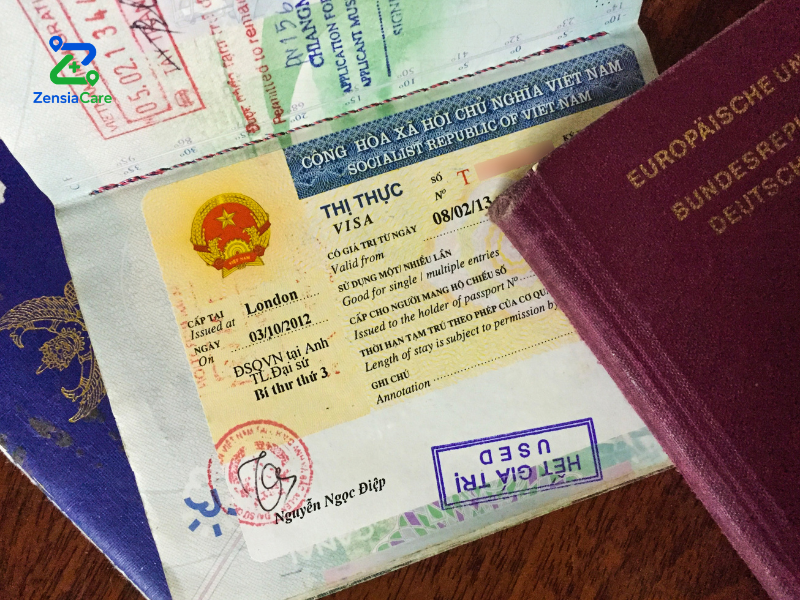
Vietnam e-Visa Cost, Processing Time and Length of Stay
The standard processing period is generally within three working days after a complete application and the required fee are received. However, medical travellers should allow additional time in case corrections or further action are required, particularly when treatment dates or hospital appointments have already been scheduled.
The published fee is US$25 for a single-entry e-Visa and US$50 for a multiple-entry e-Visa. An e-Visa may be valid for up to 90 days, depending on what is issued. These fees cover the visa only and do not include treatment, flights, accommodation, transportation, interpretation or other medical travel expenses.
The permitted stay should be considered together with the complete treatment timeline. A short dental procedure may require only a brief visit, while surgery, fertility treatment or other care involving pre-treatment assessment and follow-up may require a longer stay.
What Should Medical Travellers Check Before Flying to Vietnam?
Before travelling, carefully review your name, passport number, date of birth, nationality, passport expiry date, visa validity period and permitted entry details. It is also useful to confirm the healthcare side of the trip before making major non-refundable bookings.

International patients may need to choose a hospital or clinic, send medical records, arrange consultations, understand preliminary treatment costs and coordinate accommodation, transportation, interpretation and follow-up care. Knowing the expected treatment schedule and recommended length of stay can make it easier to plan the trip realistically.dable travel arrangements are confirmed. Knowing which hospital or clinic you will attend, the expected treatment schedule and the recommended length of stay can make it easier to select an appropriate entry option and avoid building the trip around an unrealistic timeline.
Read more: What should international patients prepare for medical travel in Vietnam?
How ZensiaCare Supports International Patients
For patients unfamiliar with Vietnam, coordinating the medical journey can be more complicated than obtaining the visa itself. Hospital selection, medical records, appointments, interpretation, transportation, accommodation and follow-up may all need to be organised around the treatment schedule.
ZensiaCare is Vietnam’s first dedicated medical concierge service for international patients. Our Case Managers help patients understand available healthcare options, connect with healthcare providers, coordinate appointments, support medical document preparation and translation, arrange interpretation and assist with practical arrangements such as transportation and accommodation. From the initial enquiry through treatment coordination and follow-up, ZensiaCare helps connect the different stages of the healthcare journey.
ZensiaCare supports international patients seeking Dental Care, Eye Care, IVF & Fertility, Cosmetic Surgery, Comprehensive Health Check-ups, Rehabilitation and other specialist healthcare services in Vietnam. ZensiaCare does not determine visa eligibility and does not diagnose, prescribe or make clinical treatment decisions. Entry and visa decisions remain with the competent Vietnamese authorities, while medical examinations, treatment recommendations and clinical decisions remain with licensed healthcare professionals and healthcare facilities.
If you are preparing to travel to Vietnam for treatment and need support coordinating the healthcare and practical stages of your journey, ZensiaCare can help before, during and after your stay.
ZensiaCare – Your Trusted Medical Concierge in Vietnam.