
Currency and Payment Tips for Your Medical Trip to Vietnam
Planning a medical trip to Vietnam is a great way to get high-quality healthcare while saving a bundle compared to Western prices. From dental work and plastic surgery to full body check-ups, big cities like Hanoi and Ho Chi Minh City have modern facilities that cater to international patients.
However, figuring out how to handle your money, where to exchange currency, and how to pay your hospital bills without losing money to hidden fees can be stressful. Here is a practical guide to help you manage your finances smoothly during your medical trip.
Understanding Vietnam’s Currency: The Vietnamese Dong (VND)
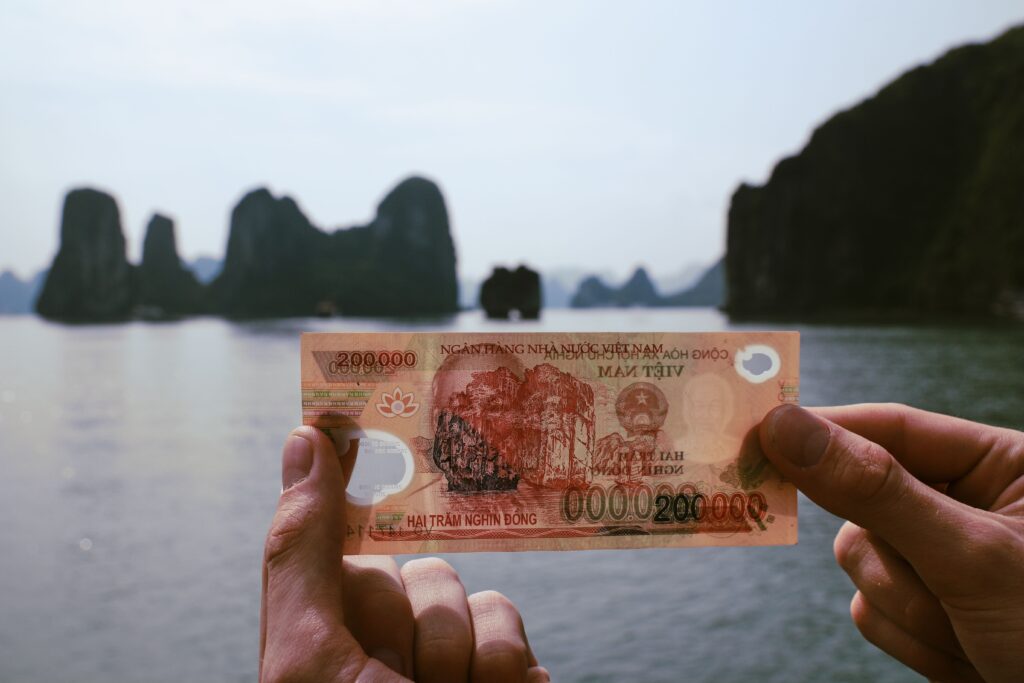
The official currency is the Vietnamese Dong (VND). Currently, 1 USD equals 25,862.50 Vietnamese Dong, but the exchange rate may vary at different times.
- Banknotes: Vietnam uses a mix of polymer and paper banknotes ranging from small denominations like 1,000 VND, 2,000 VND, and 5,000 VND all the way up to 500,000 VND.
- Handling the cash: It can look a bit confusing at first, especially the 20,000 VND note (blue) and the 500,000 VND note (cyan/blue-green) which look somewhat similar, so double-check when paying! Also, keep a handful of those small paper notes (1,000 to 5,000 VND) handy. You’ll need them for minor expenses like motorbike parking at hospitals, public restrooms, or grabbing a quick water bottle at a grocery shop.
- Why you still need cash: While digital payments and cards are popular in big cities, you will still need some cash for street food, local markets, or buying medicine at small pharmacies.
Best Ways to Pay for Medical Procedures in Vietnam
Whether you’re covering a routine check-up or a major surgical package, choosing the right payment method can save you from unnecessary fees and problems. Here is a quick breakdown of your best options, from international cards to wire transfers.
International Credit and Debit Cards (Visa, Mastercard, JCB)
Using a card is the most convenient way to pay for medical bills or unexpected costs without carrying around a huge stack of cash.
- Foreign transaction fees: Check with your bank back home to see if your card charges foreign transaction fees (usually 1% to 3%).
- Hospital surcharges: Some private clinics might add a 2% to 3% surcharge if you pay by card. Just ask them upfront to avoid surprises.
Cash Payments
You can use cash literally everywhere, from major hospitals and pharmacies to street vendors and local transport.
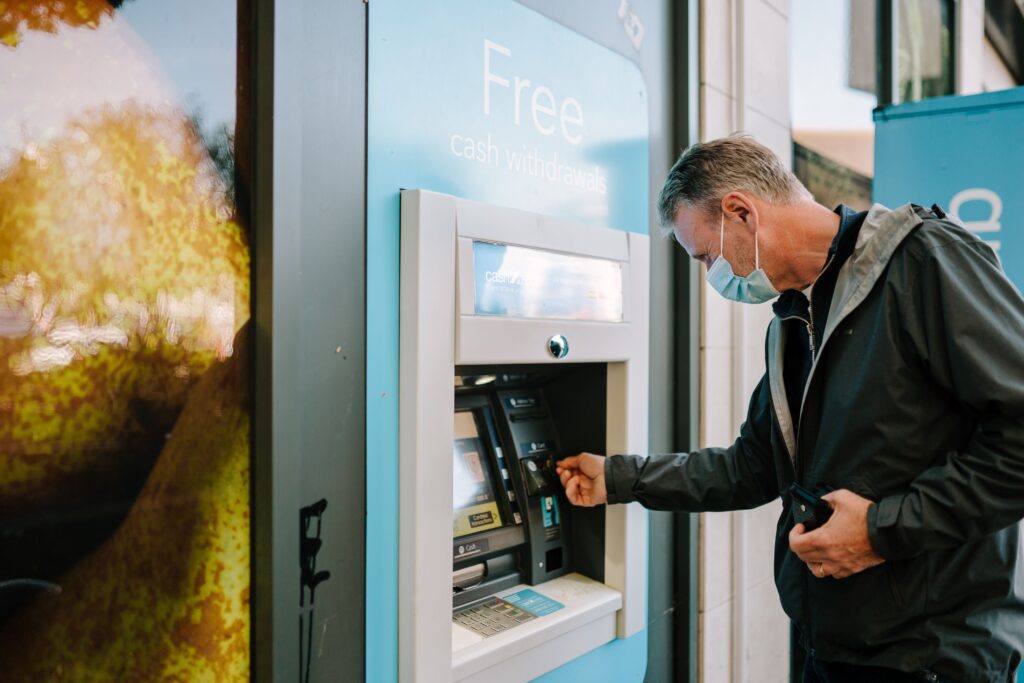
- How to get local cash: You can easily exchange your foreign currency for Vietnamese Dong before or upon arrival, or simply withdraw VND directly from local ATMs using your international debit card.
- Customs note: If you plan on bringing physical cash equivalent to 5,000 USD or more into the country, just remember that you are legally required to declare it at Vietnamese customs when you land.
Bank Transfers
For major surgeries or expensive treatment packages costing thousands of dollars, the safest bet is a direct wire transfer from your home bank account to the hospital’s official corporate account. Coordinate this with the hospital’s international patient support team well in advance.
Currency Exchange Tips: Where to Get the Best Rates
Airports vs. Local Banks vs. Gold Shops
- Airports: Super convenient, but the exchange rates are usually the worst. Only exchange a small amount at the airport, just enough to grab a taxi to your hotel.
- Major banks: Banks like Vietcombank or Techcombank offer safe, standard rates, but the paperwork can be tedious and you might have to wait in line.
- Gold shops: In big cities, reputable local gold shops (like those on Ha Trung Street in Hanoi or around District 1 in Ho Chi Minh City) often give much better USD/EUR-to-VND exchange rates than banks, and the process is fast. Just make sure your dollar bills are crisp and clean, torn or old bills might get rejected.
Withdrawing money from ATMs
ATMs are everywhere in urban areas.
- ATM fees: Most local Vietnamese ATMs charge a small withdrawal fee (around 22,000 VND to 55,000 VND, roughly $1 to $2 USD), on top of whatever your home bank charges.
- Withdrawal limits: Most ATMs only let you withdraw 2,000,000 VND to 5,000,000 VND per transaction (though some international-friendly banks allow up to 10,000,000 VND). Keep this in mind if you need cash in a hurry.
How ZensiaCare Supports Your Medical Journey
For international patients unfamiliar with Vietnam’s monetary system, managing hospital bills, currency exchanges, and payment methods can be more complicated than planning the medical procedure itself. Understanding local banking practices, avoiding hidden transaction fees, handling cash safely, and coordinating secure wire transfers or hospital billing may all need to be sorted out before and during the trip. This is where ZensiaCare steps in to bridge the gap – guiding you through transparent cost estimates, recommending safe exchange methods, and ensuring your entire financial process remains smooth and stress-free.
ZensiaCare is Vietnam’s first dedicated medical concierge service for international patients. Our Case Managers can help patients understand available healthcare options, connect with healthcare providers, coordinate appointments, arrange medical record translation and interpretation, and support practical arrangements such as transportation and accommodation.
ZensiaCare supports international patients seeking IVF & Fertility, Eye Care, Dental Care, Cosmetic Surgery, Comprehensive Health Check-ups, Rehabilitation and other specialist healthcare services in Vietnam. Our role is to coordinate and support the practical stages of the healthcare journey; diagnosis, treatment recommendations and clinical decisions remain with qualified healthcare professionals.
If you are considering medical treatment in Vietnam, ZensiaCare can help you coordinate the healthcare and practical arrangements involved in your journey.
ZensiaCare – Your Trusted Medical Concierge in Vietnam.